
- By Noah Khomer
- In Blog
- Tags Commercial Maintenance, DFW, Dfw Concrete, Expansion Joints, Joint Sealing
Concrete Expansion Joint Maintenance: Preventing Slab Damage
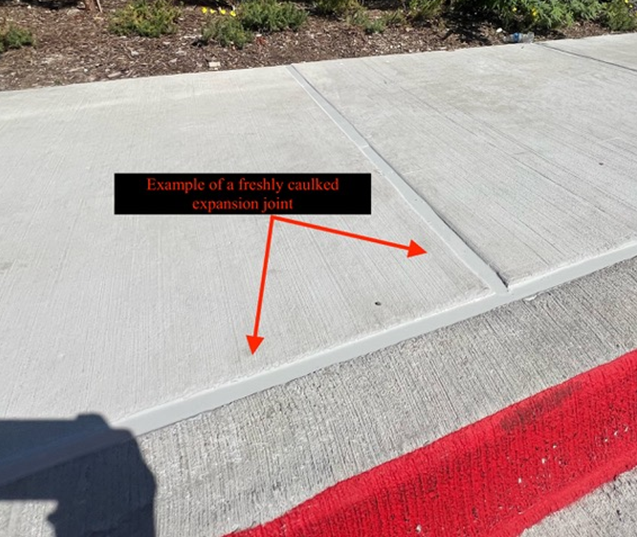
Concrete expansion joints are the unsung heroes of commercial slab surfaces — they absorb movement from temperature changes, soil shifting, and heavy traffic loads to prevent cracking and structural damage. However, the flexible sealant material inside these joints degrades over time due to UV exposure, vehicle traffic, and DFW weather extremes. When expansion joint sealant fails, water penetrates the slab base, erosion follows, and cracks begin to spread. Concrete expansion joint maintenance is one of the most cost-effective ways to extend the life of commercial concrete surfaces and avoid the significant expense of slab replacement. Furthermore, the damage from failed joints extends below the surface where it remains invisible until structural problems emerge.
Signs Your Concrete Expansion Joint Maintenance Needs Attention
- Missing or crumbling sealant: When the caulk or sealant material has deteriorated or pulled away from the joint walls, water and debris enter freely and begin undermining the slab base
- Visible cracking along joints: Cracks radiating from expansion joints indicate that the joint is no longer absorbing movement properly, transferring stress into the surrounding concrete
- Weed growth in joints: Organic material growing in expansion joints is a clear sign that the sealant has failed and the joint is open to water, soil, and seed infiltration
- Slab edge spalling: When the concrete at the joint edges begins to chip and break away, the joint has lost its protective function and the slab is actively deteriorating
- Water ponding near joints: Standing water near expansion joints after rain indicates the joint profile has changed and drainage is being compromised
Concrete Expansion Joint Maintenance: Long-Term Protection
Proper concrete expansion joint maintenance involves removing the old, failed sealant material completely, cleaning the joint cavity to bare concrete, installing backer rod to control sealant depth, and applying fresh polyurea or silicone sealant that bonds to the joint walls and accommodates ongoing movement. Additionally, this process should be performed every 5 to 7 years on commercial properties, or sooner if visual inspection reveals deterioration. Moreover, in DFW, where expansive clay soils cause significant ground movement and summer heat degrades sealant faster than in milder climates, staying ahead of joint maintenance is particularly important.
The Cost of Deferring Joint Maintenance
Consequently, property managers who defer concrete expansion joint maintenance often face slab repair costs that dwarf the cost of routine sealant replacement. Once water penetrates the slab base through failed joints, the undermining process accelerates with every rain event and every vehicle pass. Therefore, scheduling maintenance before visible damage appears is the most cost-effective strategy for protecting concrete infrastructure. C and D Commercial Services provides concrete expansion joint maintenance and repair for commercial properties throughout Dallas-Fort Worth.
Furthermore, our crews use commercial-grade sealants designed for high-traffic commercial environments, and we handle the full process from old material removal to finished sealing. For property managers seeking to protect their concrete investment, concrete expansion joint maintenance delivers significant returns by preventing the slab cracking and base erosion that lead to costly concrete replacement.
Concrete and Masonry Caulking | Concrete Repair Services | Waterproofing Services


