
- By C and D Commercial
- In Blog
- Tags Concrete Maintenance, Dfw Concrete, Foundation Care, Structural Repair, Trip Hazard Removal
When Should You Schedule Concrete Repair for Your Property?
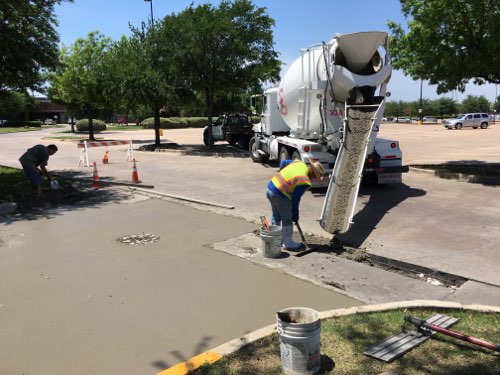
Concrete problems rarely start as emergencies. Most begin with a small crack, a little surface flaking, or a low spot that holds water after a storm. Over time, those minor issues can turn into trip hazards, drainage problems, and expensive replacements. Therefore, C & D Commercial Services provides professional concrete repair to help you maintain a safe and organized environment.
The Best Time of Year to Schedule Concrete Repair
While repairs can be done in different seasons, the best results typically come from scheduling work when temperatures are steady and curing conditions are predictable. Most property managers plan concrete repair projects in spring and fall, when weather patterns make it easier to achieve long-lasting performance.
Spring Maintenance (Late April to Early June)
Spring is one of the best times to schedule repairs because winter weather damage becomes easier to spot. Freeze-thaw cycles often widen cracks and weaken edges. Once the weather stabilizes, you can address these issues before the heat of summer arrives. Spring is ideal for:
- Routine Inspections: Identifying new damage after the winter thaw.
- Crack Sealing: Preventing spring rains from seeping into the sub-base.
- Trip Hazard Removal: Fixing uneven sidewalks and entry points before high-traffic seasons.
Fall Preparation (Early September to Mid-October)
Fall is the last reliable window to address concrete problems before freezing temperatures return. Performing repairs now prevents water from entering cracks, which causes heaving and crumbling during winter. Key fall tasks include:
- Sealing joints near building slabs to protect foundations.
- Repairing drive lanes and loading docks before heavy holiday traffic.
- Ensuring all ADA compliance ramps are level and safe.
Warning Signs You Should Schedule Repair Immediately
Even if you plan for seasonal maintenance, certain red flags require immediate attention to reduce liability and prevent structural failure. Contact a professional if you notice:
- Trip Hazards: Any vertical displacement greater than 1/4 inch.
- Deep Cracks: Cracks that are widening or branching across multiple panels.
- Pooling Water: Areas where water stands long after rainfall, indicating drainage issues.
- Exposed Rebar: Surface flaking (spalling) that reveals the internal steel reinforcement.
Request a Professional Inspection in Dallas-Fort Worth
Don’t wait for a small crack to become an expensive replacement project. C & D Commercial Services has served the DFW metroplex since 1981, providing reliable repairs for retail centers, office parks, and industrial facilities.
Need an expert opinion? Call our office today at 972.475.2271 to schedule a professional concrete inspection for your property.


